Govern the decision, not just the AI: what 100 data leaders told FIMA

This year Kore Labs co-sponsored the FIMA Europe 2027 Playbook, based on a WBR survey of 100 senior data leaders in financial services. Our founder and CEO, Sabrina Del Prete, wrote its chapter on AI governance. Here are four findings that matter for any firm moving AI beyond the pilot.
1. AI is scaling faster than the operating model around it
43% of respondents have deployed AI across several business units, and another 35% in selected functions. Only 14% have an enterprise-wide AI operating model. Getting AI to work is no longer the hard part; making it work safely across legacy systems, silos and controls is.
2. The problem goes deeper than fragmentation
55% named fragmented data, systems and governance processes as the main limit on effective AI governance, more than any other challenge. But scattered information is only part of it. The same term means different things in different teams, and the links between products, policies, controls and responsibilities are rarely written down. People have learnt to navigate that ambiguity. AI cannot.
3. The need is clear, but investment is going elsewhere
A third of firms say supporting decisions is their main goal for AI next year, but only 13% rank governing AI-driven decisions among their top two investment priorities. This is new ground. Budgets still go to familiar areas: privacy, data quality and model governance.
4. Few firms can evidence an AI decision
Only 9% could immediately produce a full record of how a specific AI-supported decision was governed, approved and monitored. Only 7% are very confident they know every AI system in use.
What this means
Governing every model is no longer enough when AI slips in through third-party software, personal tools and agents talking to agents. The more durable control point is the decision itself: knowing, at the moment it is made, which rules apply, who has authority and what evidence must be kept. That depends on a shared, machine-readable picture of the firm's products, policies, controls and responsibilities, and how they connect.
Read Sabrina's full chapter or watch her interview with FIMA here:
News

From policy to evidence: product governance in operational controls and insight

Delta Capita & Kore Labs announce strategic partnership to deliver PRM at scale

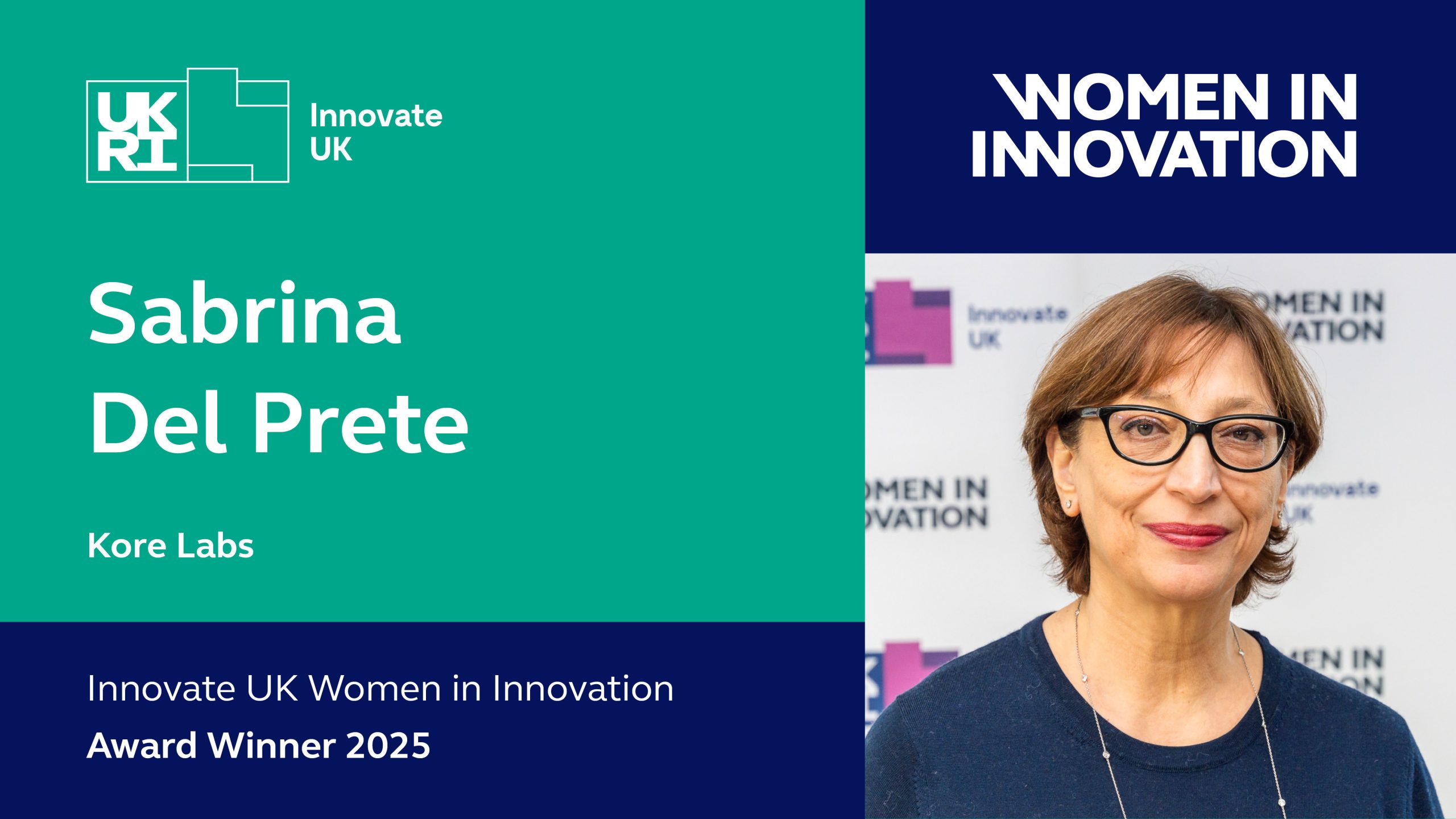
Breaking barriers in FinTech: Kore Labs founder Sabrina Del Prete wins prestigious Innovate UK award

People power: how clued-up colleagues are one of your best defences against cyberattacks